
Facials are often associated with luxury and relaxation, but their benefits extend far beyond a moment of self-care. When performed correctly, a facial can play a meaningful role in improving overall skin health, enhancing resilience, and restoring a natural, healthy glow. From “collagen-boosting” to “hydrating” and “skin-rejuvenating” facials, a wide range of options are available, but what truly differentiates them, and how do we know which ones actually deliver results?
To understand the effectiveness of a facial, it’s essential to look beyond the treatment name and explore the science behind it. A results-driven facial is not defined by trends, but by its components, such as ingredient selection, delivery methods, and the technologies used to stimulate the skin. In this blog, we’ll break down the key elements that contribute to an overall effective facial, helping you identify what to look for and how to choose treatments that align with your specific skin goals.
Clinical VS Relaxation Facials
I’m sure you’ve noticed the difference in price when booking a facial at a spa compared to an aesthetic clinic, and there’s a good reason for that. While both are called “facials,” they’re designed to deliver very different outcomes.
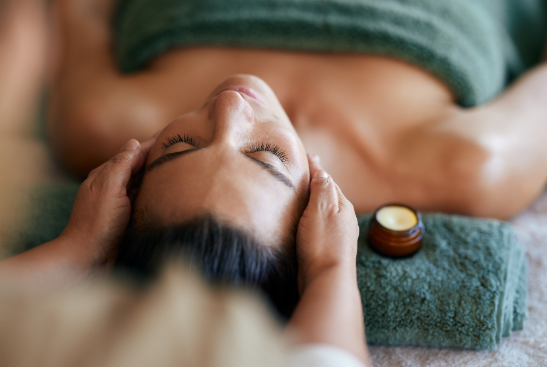
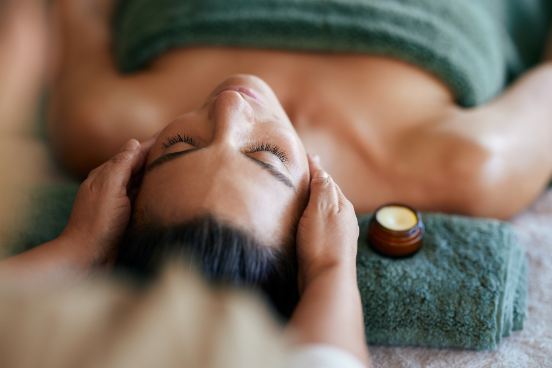
Relaxation facials focus on providing a calming, indulgent experience. They prioritise stress relief, pampering, and that immediate post-treatment glow. You’ll often leave feeling refreshed, with softer, more radiant-looking skin, but the results are typically temporary and remain at the surface.
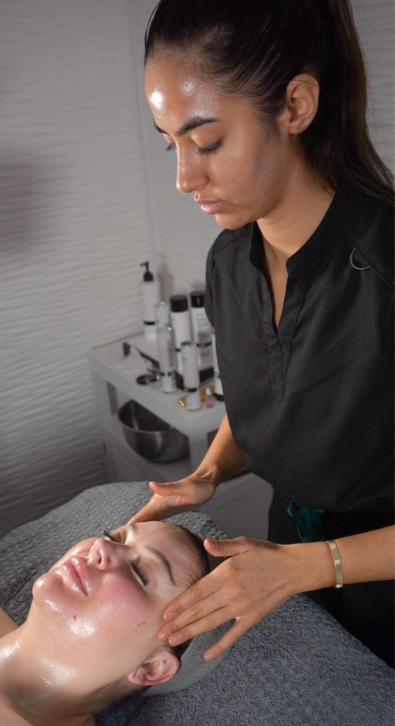
Clinical facials, on the other hand, take a more targeted and results-driven approach. These treatments are designed to support long-term skin health and address specific concerns such as acne, pigmentation, rosacea, and overall skin quality. Rather than simply creating a short-term glow, they work deeper within the skin using advanced techniques and medical-grade products to deliver visible, lasting improvements.
Unlike relaxation facials, clinical treatments are never one-size-fits-all. Each facial begins with a thorough consultation and detailed skin assessment, allowing for a personalised plan that takes into account medical history, skin concerns, lifestyle, and individual goals. This ensures the treatment is tailored specifically to you, rather than delivered as a generic experience. Clinical facials should always be performed by trained professionals with recognised qualifications, ensuring both safety and optimal results.
Understanding the Biology of Healthy Skin
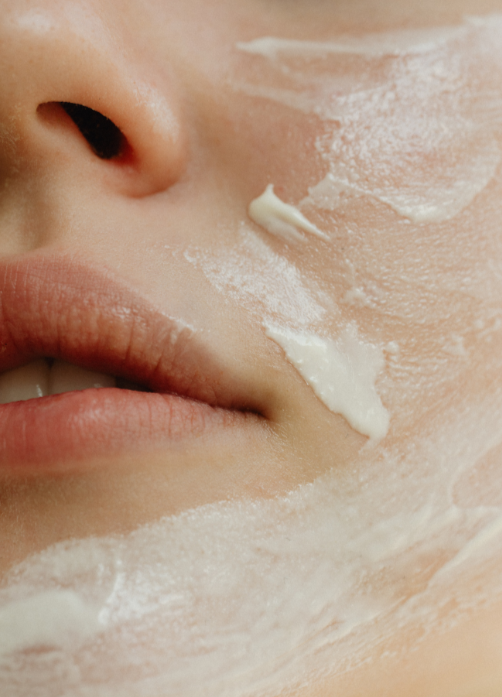
Healthy skin naturally goes through a renewal process known as epidermal turnover. This is where new skin cells gradually rise to the surface, replacing older, dead skin cells and helping to maintain a smooth, radiant complexion.
However, this process can slow down or become disrupted due to factors such as environmental exposure, inflammation, dehydration, and age-related changes. When this happens, dead skin cells begin to accumulate on the surface of the skin, often leaving it looking dull, rough, or congested.
Clinical facials work with your skin’s natural renewal process. They do this by carefully removing built-up dead skin cells, encouraging the skin to repair and renew itself, and restoring hydration and barrier repair.
Professional Exfoliation: The Role of Superficial Skin Peels
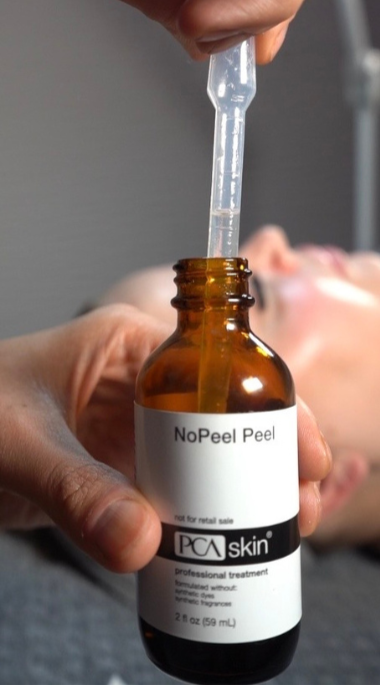
So, what should you look for in an effective clinical facial? One key element to look out for is the inclusion of a professional skin peel. Professional peels play an important role in supporting epidermal turnover by helping to remove built-up dead skin cells and encouraging new, healthy cells to come through.
Unlike basic exfoliation, these treatments work beneath the surface of the skin to accelerate cell renewal, improve overall brightness, and support long-term skin health, making them a valuable component of any results-driven facial.
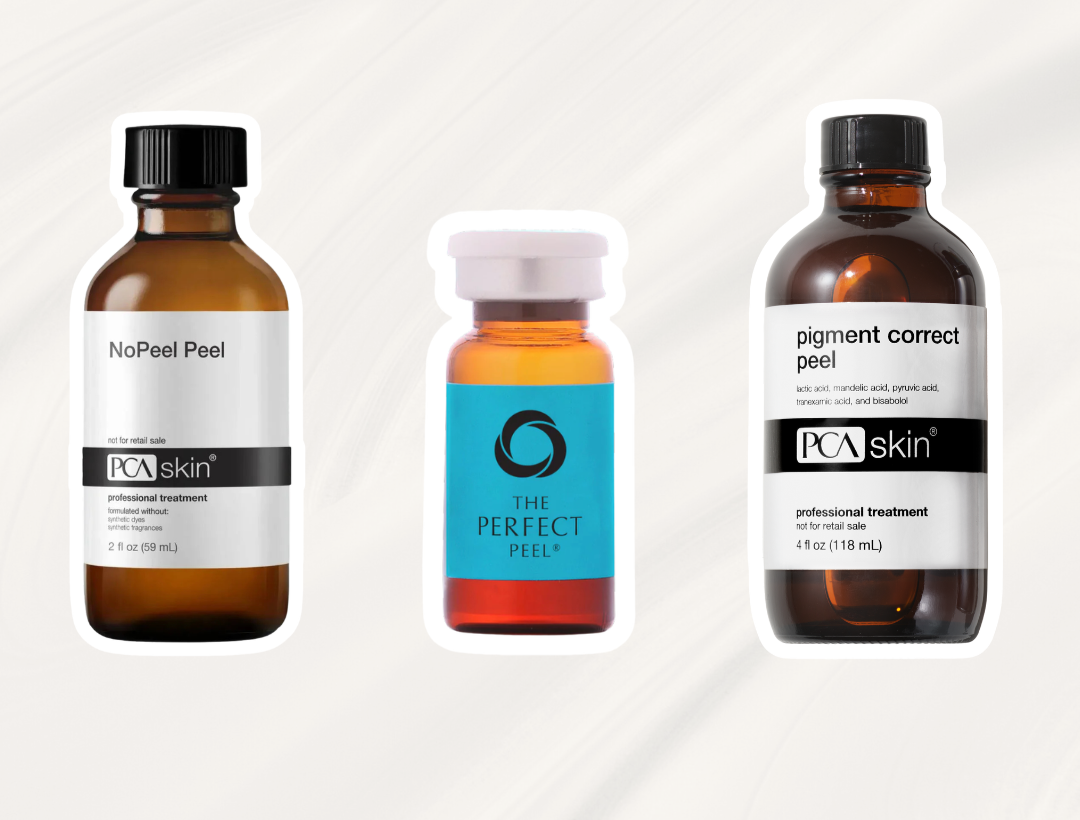
A good example of this in practice is how superficial peels can be incorporated into a clinical facial. Within treatments such as the CellRenew Skin Health Facial, PCA Skin superficial peels are used to gently refine the skin’s surface and support healthy cell turnover.
These professional formulations contain carefully balanced exfoliating ingredients that can help improve uneven skin tone, rough texture, mild pigmentation and dull or tired-looking skin. Unlike some treatments where exfoliating products are removed before the end of the facial, in our CellRenew facial these professional peels are often left on the skin, allowing them to continue working for several hours after treatment. This extended activity supports a more gradual and effective renewal process in the days that follow.
LED Phototherapy and Cellular Repair
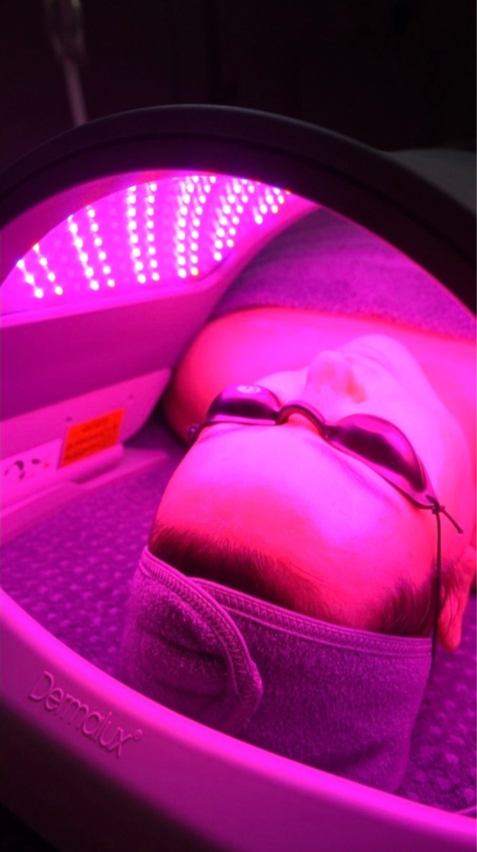
You will commonly see the use of LED phototherapy incorporated into modern clinical facials. These LED’s are known to work on a deeper, cellular level targeting and uses specific wavelengths of visible light to stimulate skin function, without the harmful effects of UV exposure.
During the CellRenew facial, Dermalux® LED phototherapy is used to support skin repair and regeneration. It works through photobiomodulation, where light energy is absorbed by skin cells and converted into energy, helping cells repair, renew and function more efficiently.
Dermalux uses clinically proven Tri-Wave technology, combining three wavelengths:
Blue light (415nm): helps reduce acne-causing bacteria and breakouts
Red light (633nm): stimulates collagen to improve firmness and fine lines
Near-infrared (830nm): calms inflammation and supports deeper tissue repair
This combination enhances cellular activity, improves skin clarity and hydration, and supports overall skin health, making it a powerful and relaxing addition to your treatment.
Oxygenation and Skin Vitality
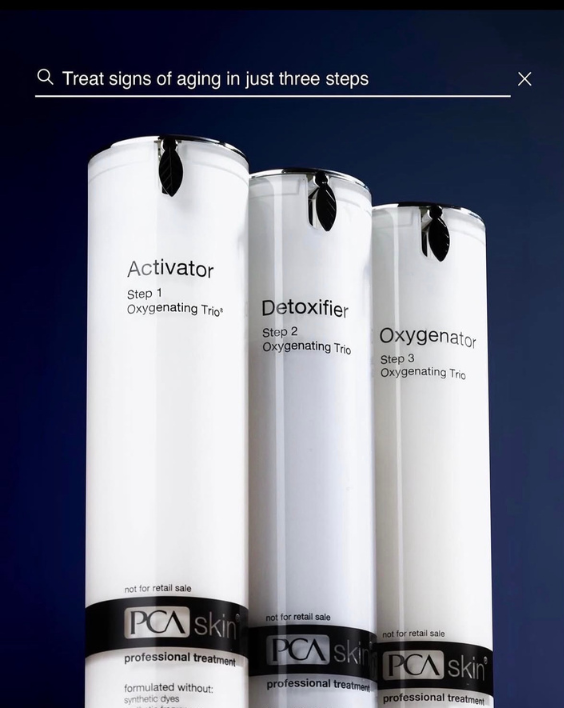
Another key element to look out for in a clinical facial is improved skin oxygenation and circulation. When your skin is getting enough oxygen and nutrients, it’s able to repair and renew itself more effectively, leaving it looking brighter, healthier, and more energised.
PCA Skin Oxygenating Trio is used within our CellRenew facial to revitalise skin that appears dull or fatigued. This professional three-step treatment works to stimulate circulation and encourage oxygenation within the skin, helping to restore a radiant, clearer complexion.
The process also incorporates gentle lymphatic drainage techniques, which support the skin’s natural detoxification pathways and encourage fluid movement through the lymphatic system.
Why Combination Treatments Deliver Better Results
Clinical facials are known to deliver more noticeable improvements as they combine multiple complementary treatments within one protocol. In the CellRenew facial, each stage of the treatment is designed to enhance the effectiveness of the next.
The treatment typically includes:
cosmeceutical cleansing and gentle micro-exfoliation
professional superficial skin peels
oxygenation and lymphatic drainage
Dermalux LED phototherapy
This layered approach allows the treatment to address several aspects of skin health simultaneously, creating results that are often greater than any single treatment alone.
Ingredient Delivery: Why “Infusion” Takes Time
While many facials promote the idea of “infusing” active ingredients into the skin, it’s important to understand how this process actually works.
The outer layer of the skin (the skin barrier) is designed to protect you. It controls what comes in and out, which means it doesn’t easily allow ingredients to pass through. For ingredients to be truly effective, they require the right formulation, a healthy skin environment, and importantly, time to gradually penetrate.
Some treatments use mechanical exfoliation or suction-based technology alongside the application of serums. These can temporarily increase how permeable the skin is and create an immediate improvement in smoothness and brightness.
However, if the skin is over-exfoliated or the barrier is disrupted, this can lead to sensitivity, dehydration, and irritation. In this state, the skin is actually less able to properly absorb and utilise active ingredients.
This is why so-called “instant infusion” is often limited. Applying serums during a short treatment does not necessarily mean those ingredients are reaching the deeper layers of the skin where they can create meaningful, long-term change.
In contrast, clinical facials focus on preparing the skin properly first. Through controlled exfoliation, barrier support, and carefully selected formulations, the skin is gradually conditioned to absorb ingredients more effectively over time.
Rather than forcing rapid absorption, this approach works with the skin’s natural function, leading to more consistent and longer-lasting improvements in hydration, texture, and overall skin health.
A Results-Driven Approach to Skin Health
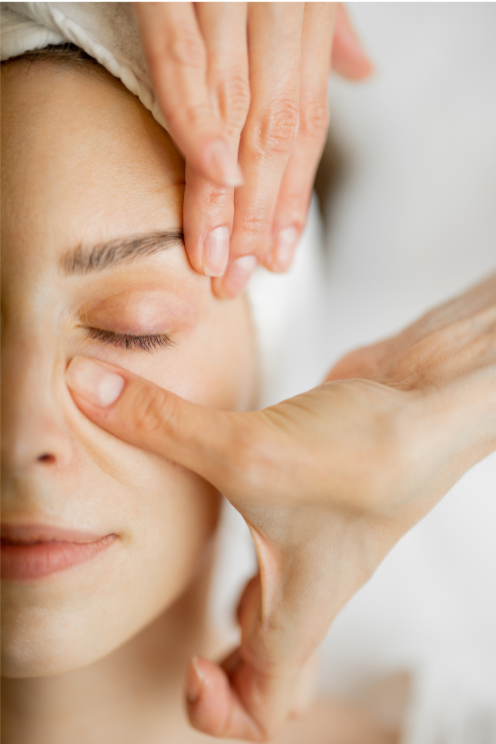
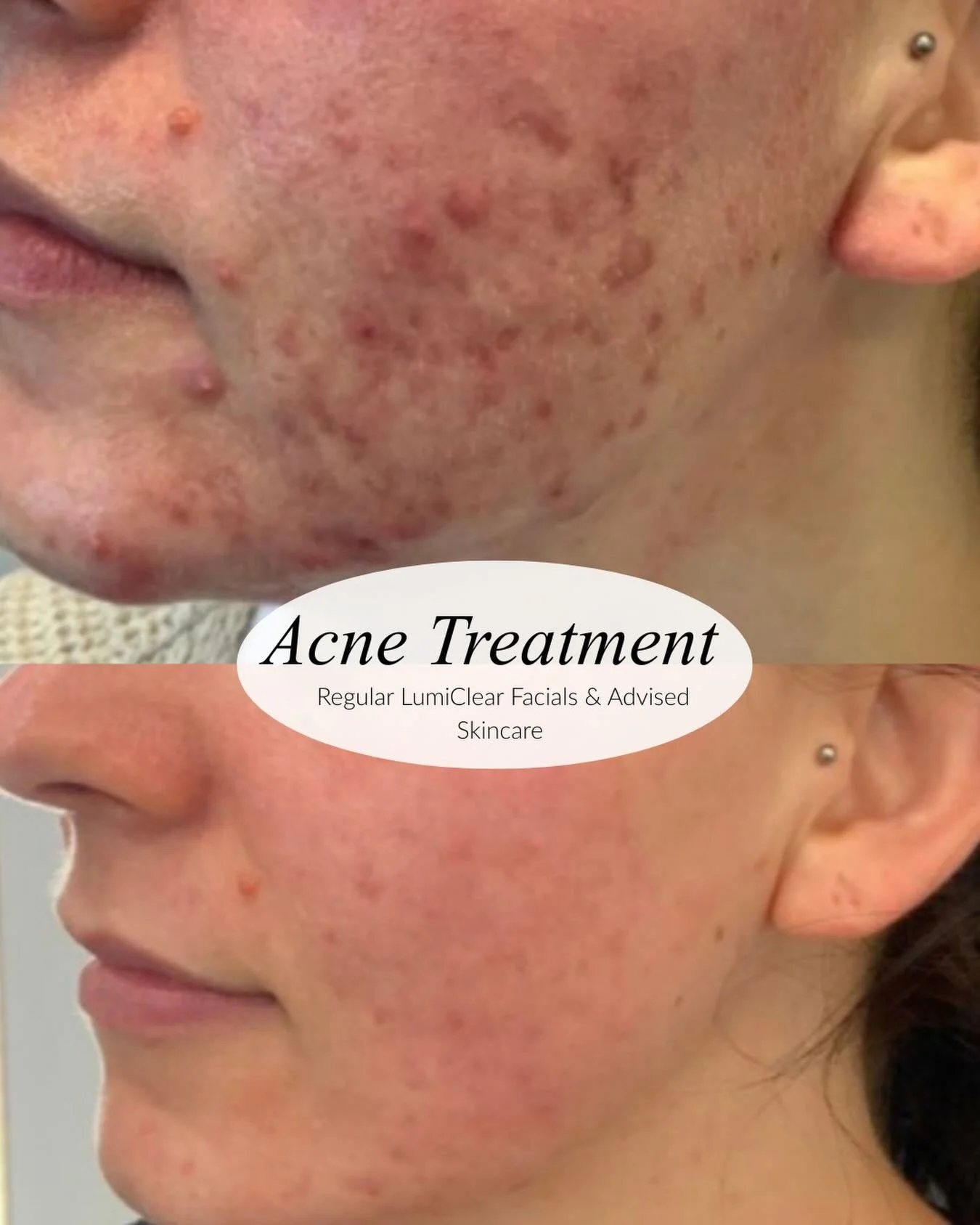
Many patients notice an immediate improvement in skin brightness and hydration following a clinical facial. However, some of the most important benefits occur in the days following treatment, as the skin continues its natural renewal process. As new cells move toward the surface, improvements in tone, texture and clarity often become more noticeable. For optimal results, clinical skin treatments are often recommended as part of a treatment programme or regular maintenance schedule, supporting long-term skin health. We apply this same logic to all of our clinical facials including the lumiclear for acne, luminate laser facial for firming and inflammation reduction, and the Eclipse Laser Facial, designed to reveal a brighter, more radiant complexion, while helping to improve dullness and yellowing skin tones through effective decongestion.
The CellRenew Skin Health Facial is an example of how modern aesthetic treatments combine science, technology and advanced skincare to improve the quality of the skin. By integrating professional PCA Skin peels, oxygenation therapy, growth factor serums and Dermalux LED phototherapy, the treatment is designed to support the skin’s natural regenerative processes while delivering visible improvements in brightness, smoothness and overall skin radiance. For patients seeking more than a traditional spa facial, clinical skin treatments provide a science-led approach to healthier, more resilient skin.