
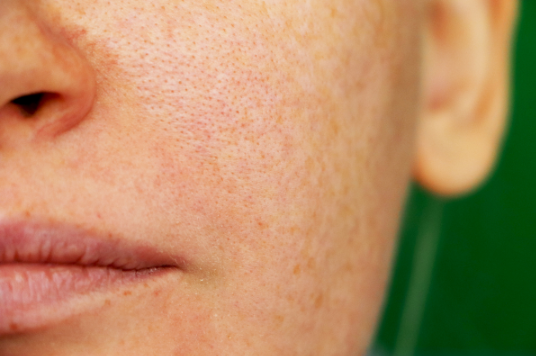
Every day we see patients seeking help with their pigmentation concerns, and while pigmentation can feel complicated, we genuinely believe that with the right information, treatment, and protection, it can be managed. As pigmentation is highly triggered by sun and UV exposure, winter is the perfect time to start tackling sunspots, melasma, and post-inflammatory hyperpigmentation. Lower UV levels and cooler temperatures mean your skin is more stable, treatment results are often better, and the risk of rebound pigmentation is dramatically reduced. If you’ve been thinking about restoring clear, radiant skin, winter is the safest and most effective season to begin your pigmentation treatment journey.
What Is Pigmentation?
Skin pigmentation refers to the amount of melanin produced by the body, which determines the colour and appearance of the skin. Melanin is produced by specialised cells called melanocytes, and when these cells become overactive or unevenly stimulated, excess melanin is deposited in certain areas, leading to darker patches or spots on the skin. This can present as sunspots, melasma, or post-inflammatory hyperpigmentation, and, although generally harmless, it can significantly affect skin tone and confidence. Effective treatment relies on accurately identifying the type of pigmentation and addressing both the underlying cause and the visible discolouration.
What Causes Pigmentation?
There are several factors that can trigger skin pigmentation, with the three most common being genetics, sun exposure, and certain medications such as hormones and even some antidepressants. Understanding what is causing the pigmentation is key to choosing the most effective way to treat and prevent it. Pigmentation can show up as darker patches (hyperpigmentation) or lighter patches (hypopigmentation), and it typically develops when the skin produces too much or too little melanin.

Genetics play a significant role in determining our natural skin tone and how likely we are to develop pigmentation concerns. We are all born with a specific number of melanocytes (melanin cells) and these levels vary from person to person. Individuals with darker skin tones naturally produce more melanin, and genetics can also influence how the skin responds to triggers such as sun exposure, hormones, or inflammation, which can cause pigmentation to darken or lighten over time.

Sun exposure is one of the most common causes of pigmentation. When the skin is exposed to UV rays, it produces more melanin to protect itself. This process causes tanning, but with repeated or prolonged exposure, excess pigment can build up, leading to freckles, age spots, or melasma. Even small amounts of daily UV exposure can contribute to pigmentation, especially if the skin is already inflamed or hormonally sensitive.

Medications and hormones can also influence melanin production, making pigmentation more noticeable. Antibiotics, birth control pills, and hormone treatments are well-known triggers, and hormones such as oestrogen and progesterone can worsen melasma, particularly when combined with sun exposure. If pigmentation appears shortly after starting a medication, it may be worth speaking with a healthcare professional.
Pigmentation disorders generally fall into two categories:
Hypopigmentation occurs when the skin produces less melanin, leading to lighter patches. This can be caused by factors such as trauma, burns, infections, genetic conditions (like albinism), autoimmune disorders (like vitiligo), or certain fungal or childhood skin conditions. These areas may be temporary or long-term, depending on the cause. Conversely, hyperpigmentation is caused by increased melanin production and is far more common. It can be triggered by sun exposure, hormonal changes, ageing, genetics, inflammation, acne, injury, or medications, and usually presents as sunspots, melasma, or post-inflammatory hyperpigmentation. These darker patches can worsen with UV exposure and are often more noticeable on darker skin tones.
Why Winter Is the Best Time to Treat Pigmentation
Pigmentation can develop in different layers of the skin and may be caused by various factors. Some types, such as sunspots and melasma, deepen gradually over time, while post-inflammatory pigmentation often appears after acne or injury. Because pigment is stimulated by UV exposure and inflammation, results are difficult to maintain in the summer months when sunlight is stronger and more frequent. This makes treatment a longer process and increases the risk of recurrence if the skin is not protected correctly.
Winter is widely considered the ideal season to treat pigmentation because UV exposure is significantly lower, reducing the risk of pigment re-darkening during treatment. The days are shorter, the sun is less intense, and we naturally spend more time indoors, which means the skin is less reactive. When pigmentation is treated during this time, results are more predictable and longer-lasting. Starting treatment in winter also gives the skin time to recover, rebuild its barrier, and respond to active products before UV levels rise again in spring.
Treatment Recommendations:
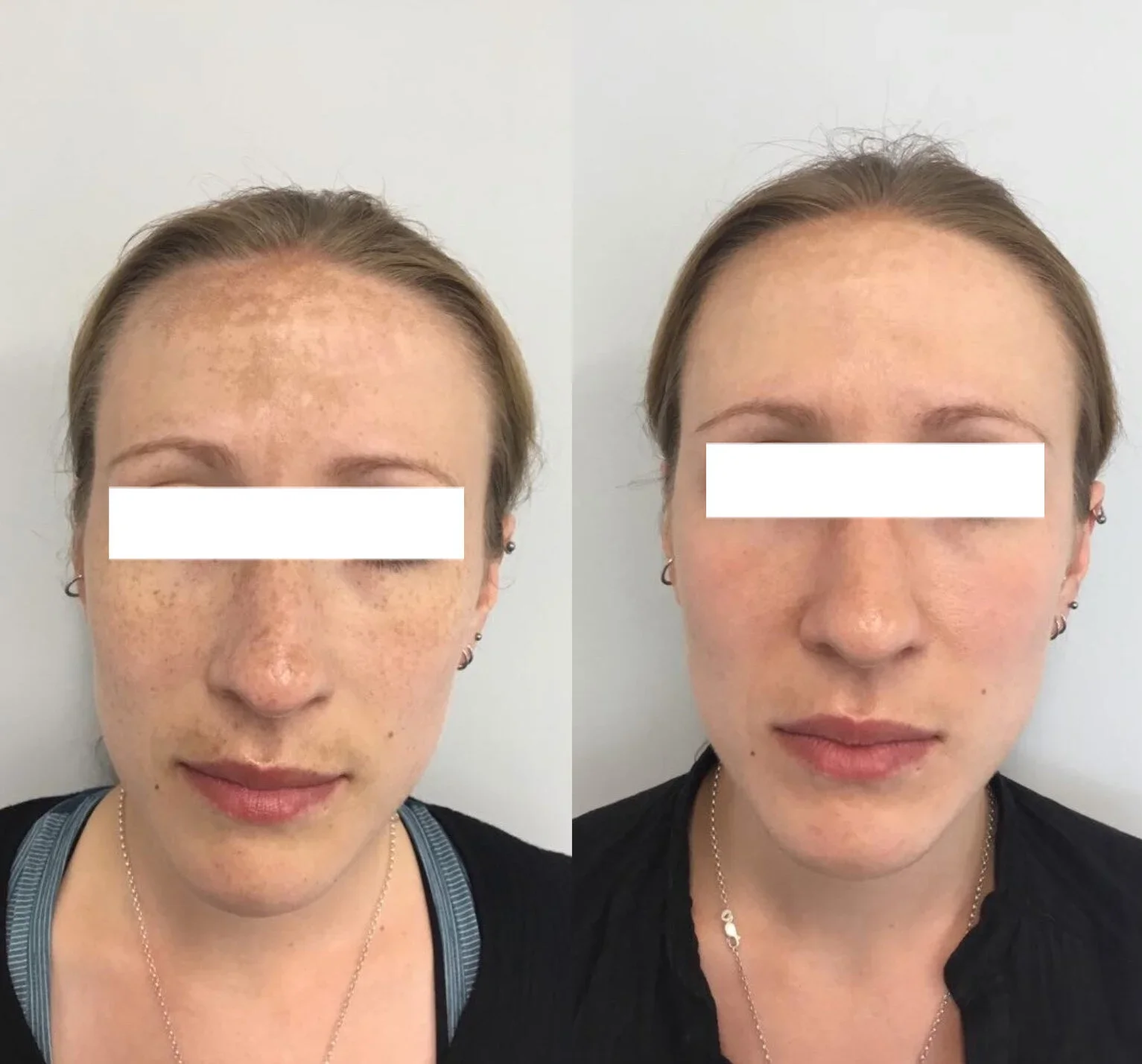
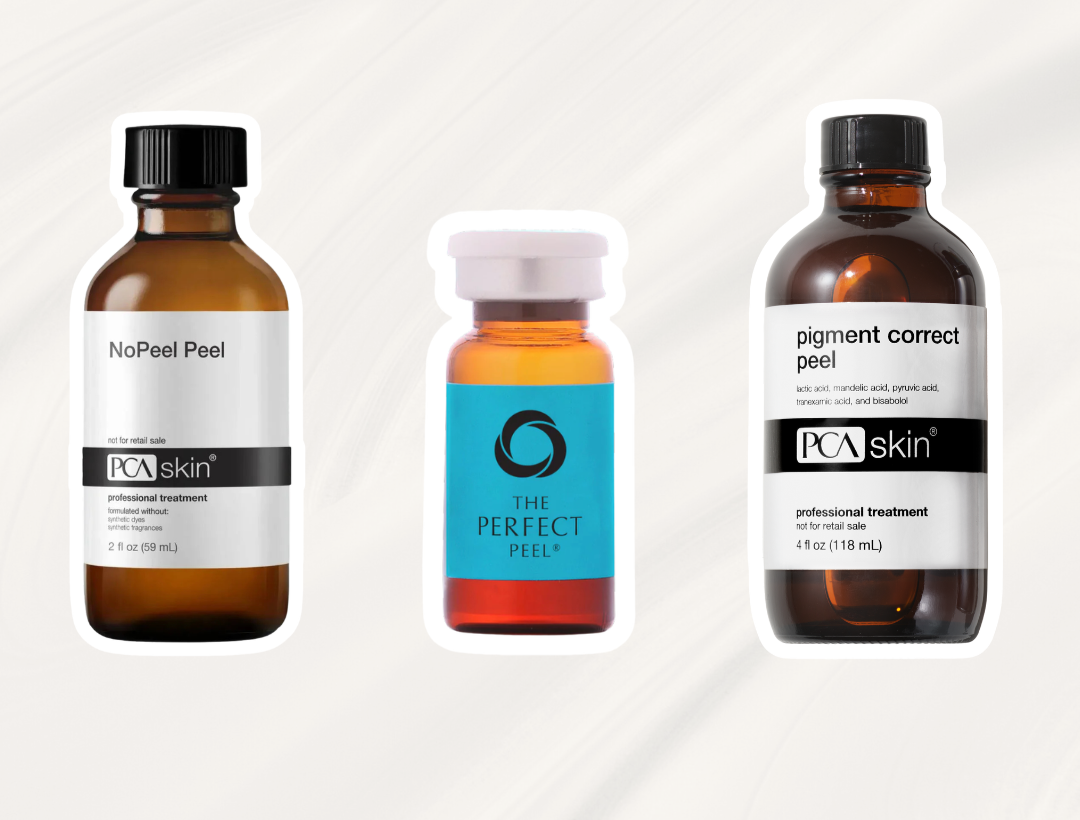
Chemical Peel- The Perfect Peel is a powerful medical-grade chemical peel ideal for treating deeper, more stubborn pigmentation such as melasma, sun damage and post-inflammatory hyperpigmentation. Unlike traditional peels, it uses a unique blend of six acids, vitamins, minerals and glutathione to brighten the skin, lift discolouration and stimulate collagen for a smoother, firmer complexion. The treatment works by exfoliating the upper layers of the skin and accelerating cell turnover, revealing clearer, more even skin within 5–7 days of peeling. While many patients see visible improvement after one treatment, a series of sessions may be recommended for more severe concerns. The Perfect Peel is particularly beneficial in winter when UV exposure is lower, helping to prevent pigmentation from returning during the healing phase.
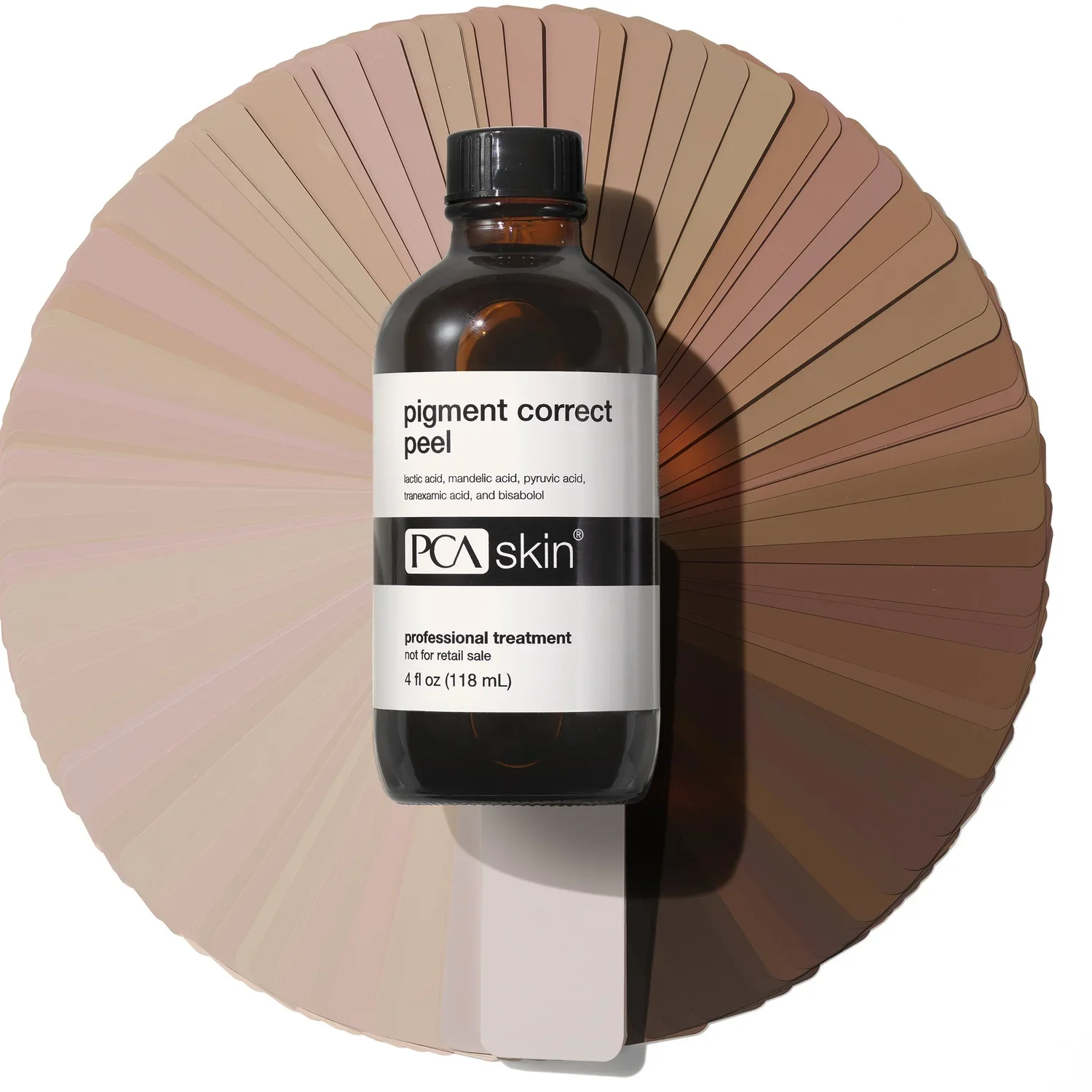
Pigment correct peel - The PCA Skin Pigment Correct Peel is a gentle treatment designed to improve lighter forms of pigmentation such as sun damage, early melasma and marks left behind after breakouts. It uses a blend of skin-renewing acids to safely exfoliate the skin, lift dark spots and brighten dull areas, while ingredients like tranexamic acid help stop new pigmentation from forming. The formula also includes calming botanicals to keep the skin comfortable and protect its barrier, so there is little to no downtime and no heavy peeling. Clinical studies show a 17% reduction in visible pigmentation after just one treatment, with results starting to appear as early as a week. Suitable for all skin tones, this peel is ideal for anyone looking for a clearer, more even complexion without disrupting their routine.
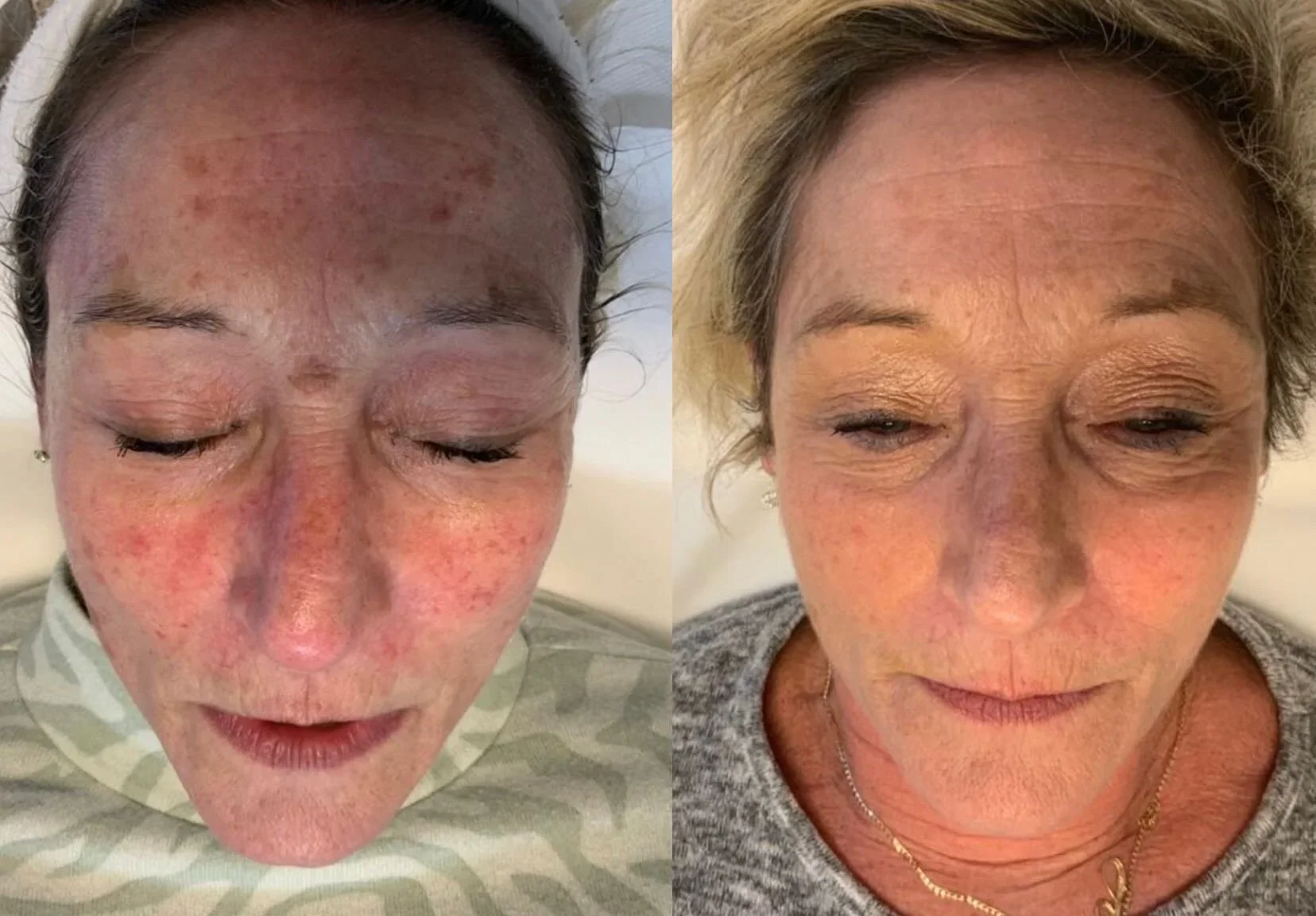
IPL (Intense Pulsed Light) - IPL (Intense Pulsed Light) is an effective treatment for sun damage, pigmentation spots and superficial broken blood vessels. At Lumière Medispa Oxford, we use the advanced Etherea MX IPL-SQ, which delivers multiple wavelengths of light to target browns and reds in the skin. When these areas absorb light, they heat up and are naturally cleared by the body, helping fade sunspots, freckles, age spots, and small visible veins. IPL can also improve rosacea-related redness, reduce acne bacteria, refine skin texture and stimulate collagen for a brighter, more even complexion. Treatments are quick, non-invasive, and well-tolerated, with most sessions lasting 15–30 minutes and minimal downtime. Many people see results after 1–3 sessions, spaced a few weeks apart, with occasional maintenance to keep results looking their best. With good skincare and sun protection, improvements can be long-lasting, making IPL an excellent option for restoring clearer, healthier-looking skin.
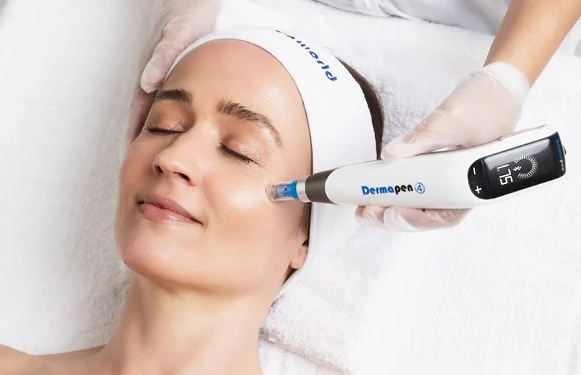
Microneedling - Microneedling is an effective treatment for pigmentation because it boosts the skin’s natural repair process, increasing collagen and cell turnover to fade dark spots and even out skin tone. At Lumière Medispa Oxford, our advanced CellRenew Microneedling treatment uses medical-grade technology to create tiny micro-channels in the skin, helping to break up unwanted pigment and regulate the cells that produce melanin. What makes our approach unique is the combination of careful skin preparation, Calecim Professional serum rich in stem-cell–derived growth factors, and finishing with Dermalux LED light therapy to calm inflammation and speed recovery. This process not only helps lift pigmentation from sun damage, melasma, or old acne marks, but also improves fine lines, enlarged pores, and overall skin texture. Results are progressive, with most clients noticing firmer, brighter skin within weeks, and continued improvement over several months. With minimal downtime and a focus on cellular renewal, our evidence-based protocol offers a high-level alternative to laser for those seeking clearer, healthier-looking skin.
Medical Grade Skincare / Compound Prescription Skincare- Clinical-grade skincare plays a vital role in treating pigmentation, and at Lumière Medispa Oxford, we offer a personalised approach using results-driven brands such as PCA Skin, ZO Skin Health and Calecim Professional. During your consultation, we assess your skin, lifestyle and specific concerns to create a tailored treatment plan that targets the underlying causes of discolouration rather than simply masking the symptoms. These advanced formulas contain higher concentrations of active ingredients than standard skincare products, helping fade dark spots, prevent new pigmentation, and support overall skin health. Ingredients like retinol are particularly important, as they speed up cell turnover, stimulate collagen and encourage the skin to shed damaged, pigmented cells over time leading to smoother, brighter and more even skin. When combined with daily sun protection and a carefully structured routine, clinical-grade skincare can deliver significant improvements, either as a stand-alone approach or in combination with in-clinic treatments for faster and longer-lasting results
Pigmentation may be complex, but it is absolutely treatable with a personalised approach and the right combination of professional treatments and skincare. Winter offers a valuable window of opportunity to take control of stubborn pigmentation while UV levels are low and the skin is more receptive to advanced therapies. Whether your concern is sun damage, melasma, post-inflammatory marks or uneven tone, our team at Lumière Medispa Oxford can guide you through a tailored plan that supports both correction and long-term prevention. If clearer, brighter and more confident skin is on your wish list, now is the ideal time to start your journey. Book a consultation to explore your treatment options and discover the best approach for your skin goals this winter.