

Menopause is a completely natural stage in every woman’s life, but that doesn’t mean it’s easy. For many, it can be a physically and emotionally challenging transition that leaves many women feeling a little unsure about what’s happening to their bodies and skin. That’s why it’s so important to understand the changes your body is going through, and to discover ways to support yourself and your skin through this time, helping the process feel smoother and more balanced.
This Menopause Awareness Month, we’re focusing on how menopause affects the skin, and how the right treatments and skincare can restore comfort, hydration, and glow so you can feel like yourself again.
Understanding How Menopause Affects the Skin
Your skin is the largest organ in your body, so it comes as no surprise that it is heavily influenced from the fluctuations and drop in hormone levels experienced in perimenopause and menopause. Research from a specialist menopause clinic found that many women experience noticeable changes in their skin during menopause. In one study of 87 women, over 60% reported previous skin problems, and around half noticed new or worsening changes during menopause, with dryness being the most common concern. Some also found that conditions from earlier in life, such as childhood eczema, reappeared, while others developed new or unexpected skin sensitivities for the first time.
Menopause, which officially begins one year after your last period, brings a series of hormonal changes that can have a visible impact on the skin, hair, and overall facial structure. As oestrogen levels decline, the skin’s natural processes that keep it smooth, hydrated, and firm begin to slow down, leading to a variety of changes that many women notice during this stage of life.
Dryness and Itching
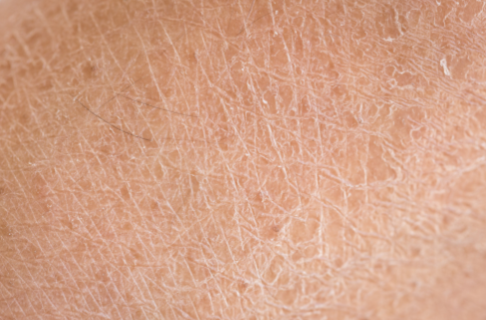
One of the most common concerns around menopause is dry, itchy skin. Oestrogen helps the skin maintain hydration by supporting the production of ceramides, natural hyaluronic acid, sebum, and collagen, which are all essential for locking in moisture.
When oestrogen levels drop, the skin loses this ability to retain water, becoming dry, scaly, and sometimes itchy.
How to help:
Opt for gentle, non-foaming cleansers and choose moisturisers containing hydrating ingredients such as hyaluronic acid or glycerin to help lock in moisture. The ZO Skin Health Balancing Cleanser is an excellent option, as it’s a ceramide-rich, emollient-based cleanser that supports the skin barrier.
To ensure you’re using the right products for your skin, book a skin consultation with one of our experts, who can create a personalised plan tailored to your specific needs. If you’re considering hormone replacement therapy (HRT), it may also help restore your skin’s natural moisture balance over time.
Thinning Skin and Bruising
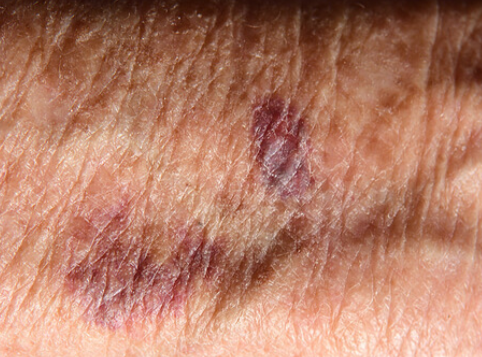
The declining levels of oestrogen reduces collagen production; the protein that gives skin its strength and elasticity. Studies show that women can lose up to 30% of their skin’s collagen in the first five years of menopause. This reduction causes the skin to become thinner, more fragile, and prone to bruising. Wounds may also take longer to heal.
How to help:
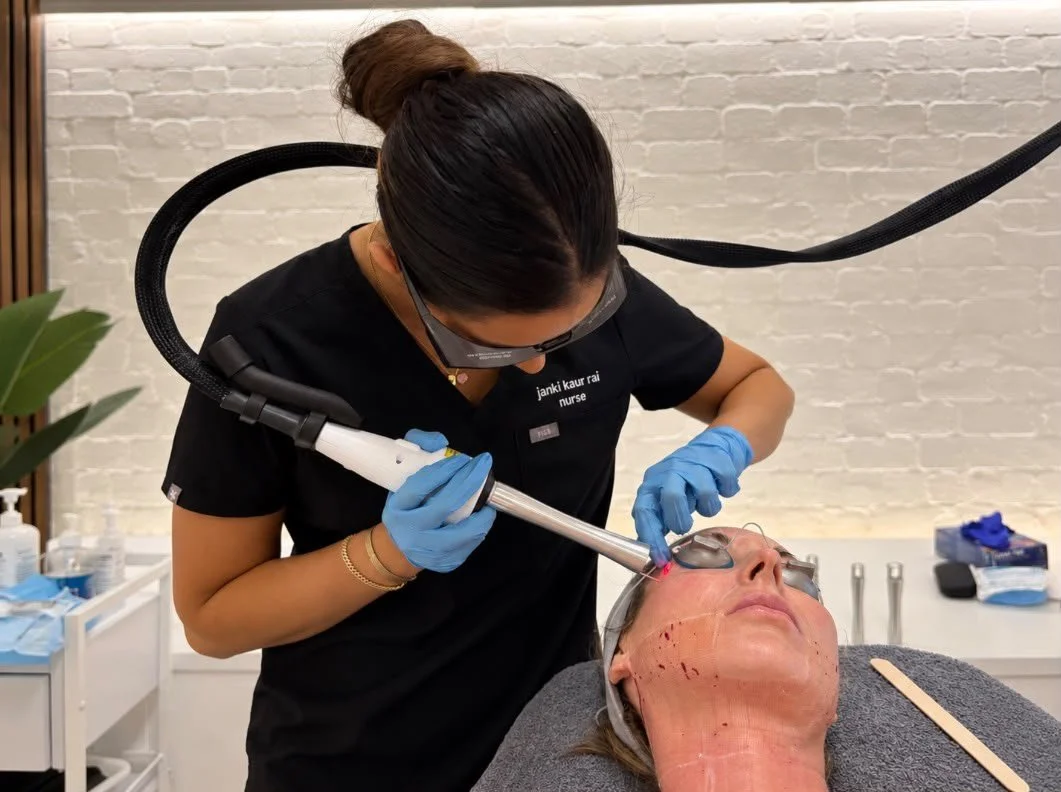
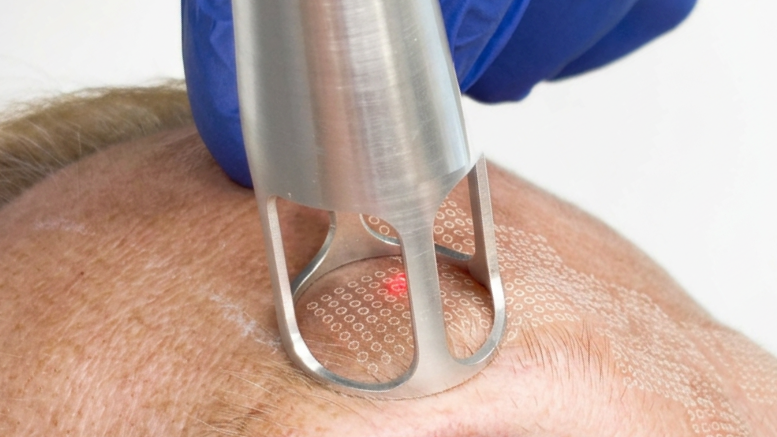
Remember to protect your skin every day with SPF (even on cold and cloudy days). Consider treatments that stimulate collagen production, such as microneedling, Profhilo, or laser rejuvenation, to help restore firmness and resilience. If you’re planning injectable treatments, allow a little extra recovery time, as you may bruise more easily or notice that bruising lasts slightly longer.
Fine Lines, Wrinkles, and Sagging

As collagen and elastin fibres weaken, the skin begins to lose its natural structure and volume. Combined with gradual loss of facial bone density and fat redistribution, this can result in sagging skin, jowls, and fine lines becoming more defined.
How to help:
Treatments that support the skin’s natural collagen, such as Profhilo, Polynucleotides, or dermal fillers, can help restore lost volume and improve skin firmness. By enhancing your skin’s structure from within, these treatments gently lift, smooth, and refine facial contours while preserving your natural expression and individuality.
Pigmentation and Sun Damage
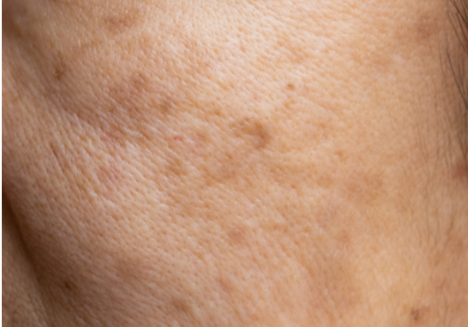
Many women notice age spots, uneven tone, or pigmentation during menopause. Years of sun exposure, combined with hormonal changes, can make existing sun damage more visible.
How to help:
Regular broad-spectrum SPF use is essential to prevent further damage and protect the skin’s delicate barrier. Professional options such as chemical peels, laser treatments, and clinical-grade skincare brightening regimes can help even out pigmentation and restore luminosity.
Acne and Breakouts
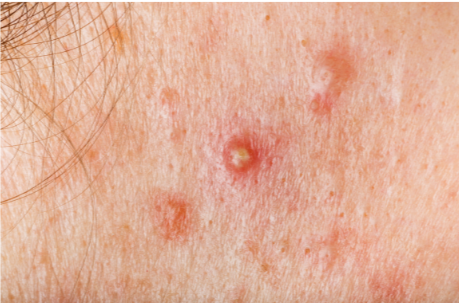
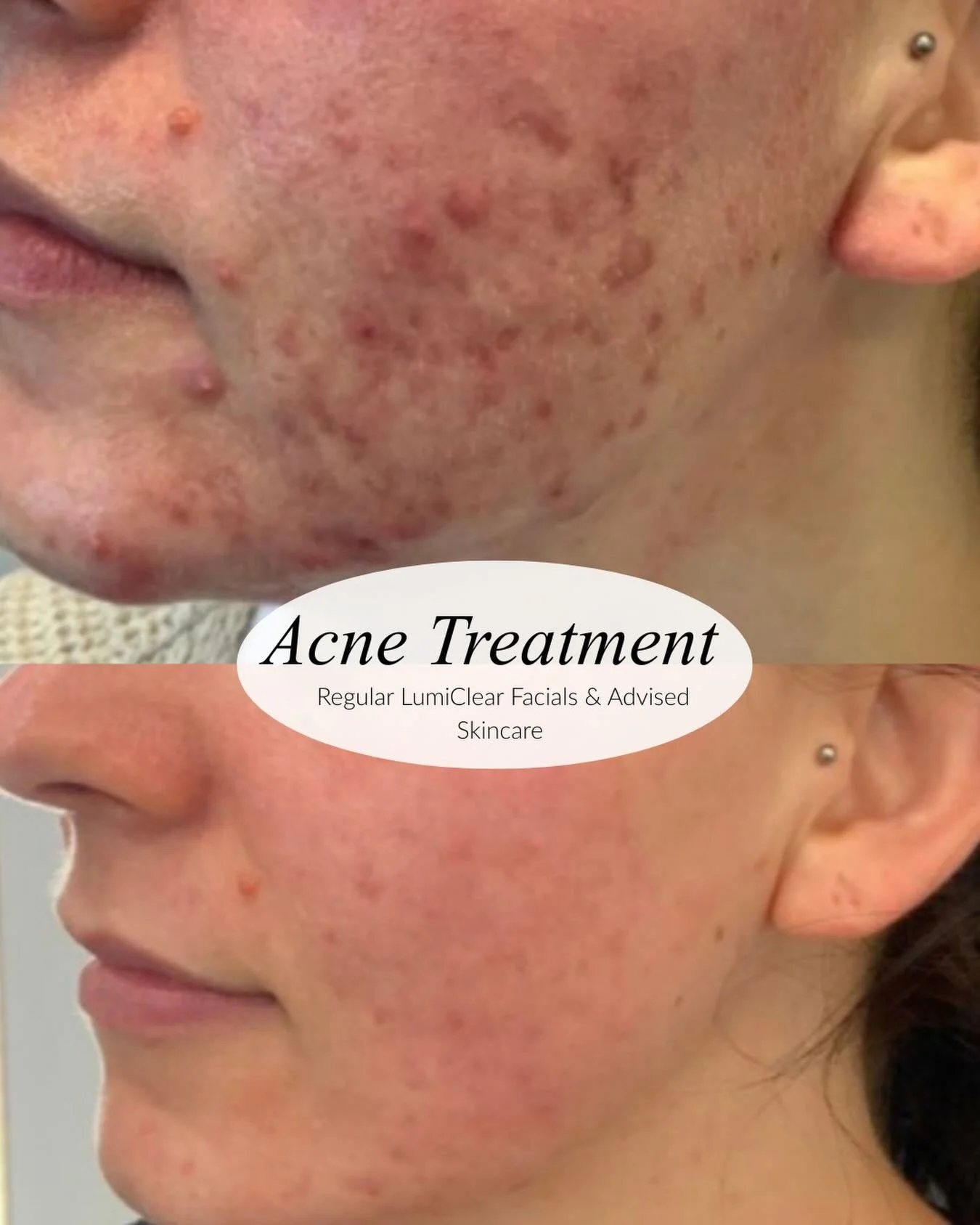
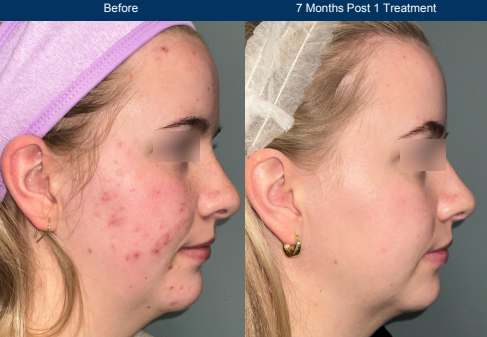
For some women, menopause can bring an unexpected return of acne or congestion. As oestrogen levels fall, androgens (male hormones) can become more dominant, stimulating excess oil production and clogged pores.
How to help:
Gentle exfoliation with salicylic acid, along with products containing retinol or niacinamide, can help reduce breakouts and improve skin clarity. In more persistent cases, your clinician may recommend tailored in-clinic treatments or prescription skincare.
Redness and Flushing
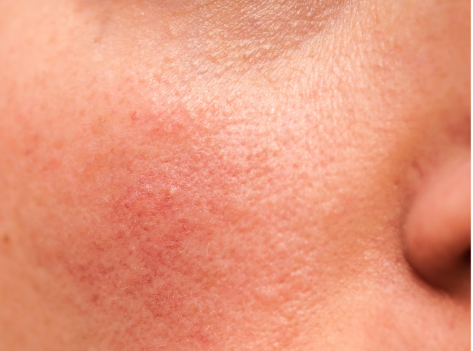
Hot flushes are one of the hallmark symptoms of menopause, and they can also affect the skin. The skin’s blood vessels become more reactive, sometimes leading to flushing or rosacea-like redness.
How to help:
Lifestyle adjustments such as reducing caffeine, spicy foods, and alcohol can help, alongside soothing skincare and vascular laser treatments to calm visible redness.
Hair and Facial Changes
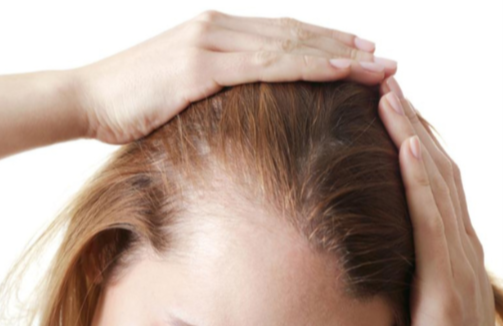
Hormonal shifts don’t only affect the skin, they can influence hair growth patterns too. Some women experience thinning hair on the scalp and increased facial hair, particularly on the chin or upper lip.
How to help:
Medical-grade laser hair removal performed by trained clinicians can offer a safe and long-term solution for unwanted facial hair. Treatments such as Calecim Hair Restoration or Polynucleotides can help stimulate new hair growth in areas of thinning, improving scalp health and supporting stronger, fuller-looking hair over time.
Our Approach at Lumière Medispa
At Lumière Medispa, we take a holistic, medical-led approach to menopausal skincare. Our expert nurses and aestheticians assess the skin in detail, creating bespoke treatment plans to help support you throughout these unsettling times. Menopause can affect everyone differently which is why every skin plan is catered individually to you. Whether you are interested in developing a consistent medical grade skin routine, laser treatments or for skin rejuvenation through injectable treatments. Remember Consistency is key. A personalised plan designed by one of our skincare professionals ensures your products and treatments complement your skin’s changing needs through menopause and beyond.
References:
Leitch, C. et al. (2011), ‘Women’s perceptions of the effects of menopause and hormone replacement therapy on skin’, Menopause International, 17 (1), pp. 11–13. doi: 10.1258/mi.2011.011002
Thornton, M. J. (2013), ‘Estrogens and aging skin’, Dermato - endocrinology, 5 (2), pp. 264–70. doi: 10.4161/derm.23872