
An informed guide to choosing safe, experienced and considered aesthetic care in Oxford.

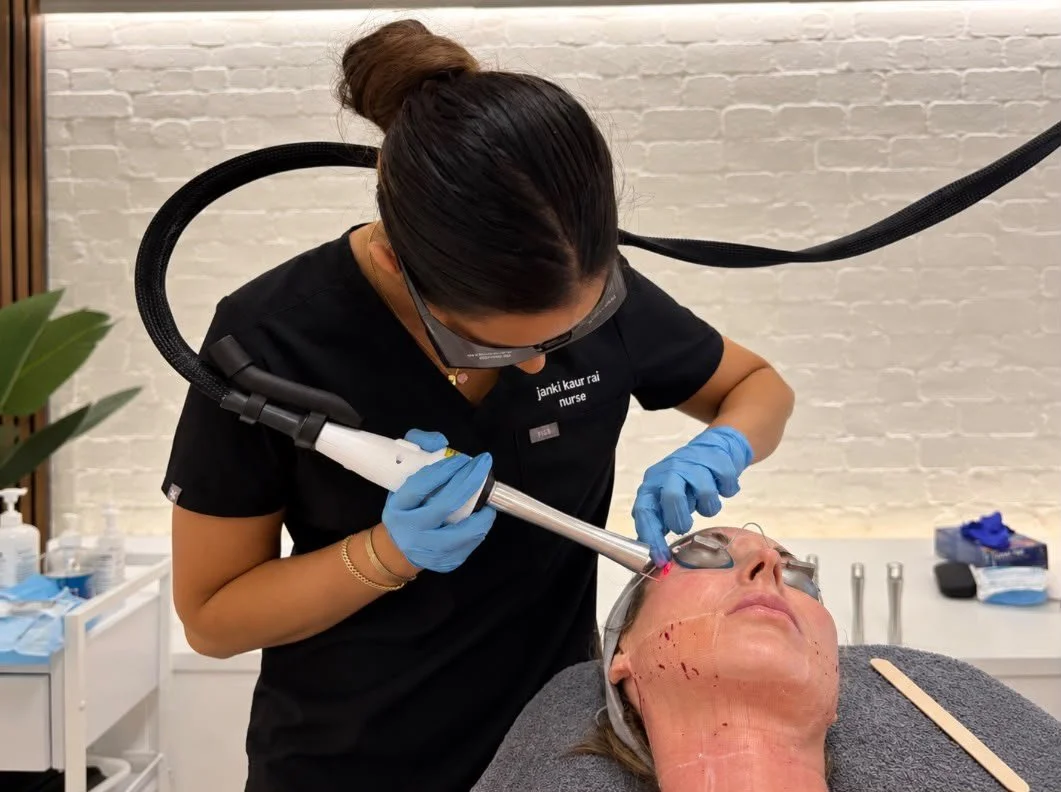
Aesthetic nurse consultation at Lumière MediSpa skin clinic in Headington, Oxford
Would you choose an aesthetic practitioner based on their medical title, treatment prices or impressive social media following?
When it comes to your face and skin, there's far more to consider.
With so many aesthetic clinics offering everything from anti-wrinkle injections and dermal fillers to advanced laser and skin rejuvenation treatments, knowing who to trust isn't always straightforward.
The most important decision isn't necessarily which treatment to have. It's who you choose to trust with your care.
At Lumière MediSpa in Oxford, we believe choosing an aesthetic practitioner deserves the same consideration as any other healthcare decision. This guide explores what really matters, what to question and how to recognise the difference between impressive marketing and genuine clinical expertise. Towards the end of this guide, you can also download an Aesthetic Consultation Checklist, ready for any aesthetic treatment consultation.
1. Do Your Research: Look Beyond the Marketing
A beautiful website, a large social media following and impressive before-and-after photographs can all make a clinic appealing. But none automatically demonstrates clinical expertise.
Look beyond the treatments being advertised and research the people providing them.
Are their professional backgrounds and experience clearly explained? Are there independent patient reviews? What do patients say about the consultation, their results and the care they received afterwards?
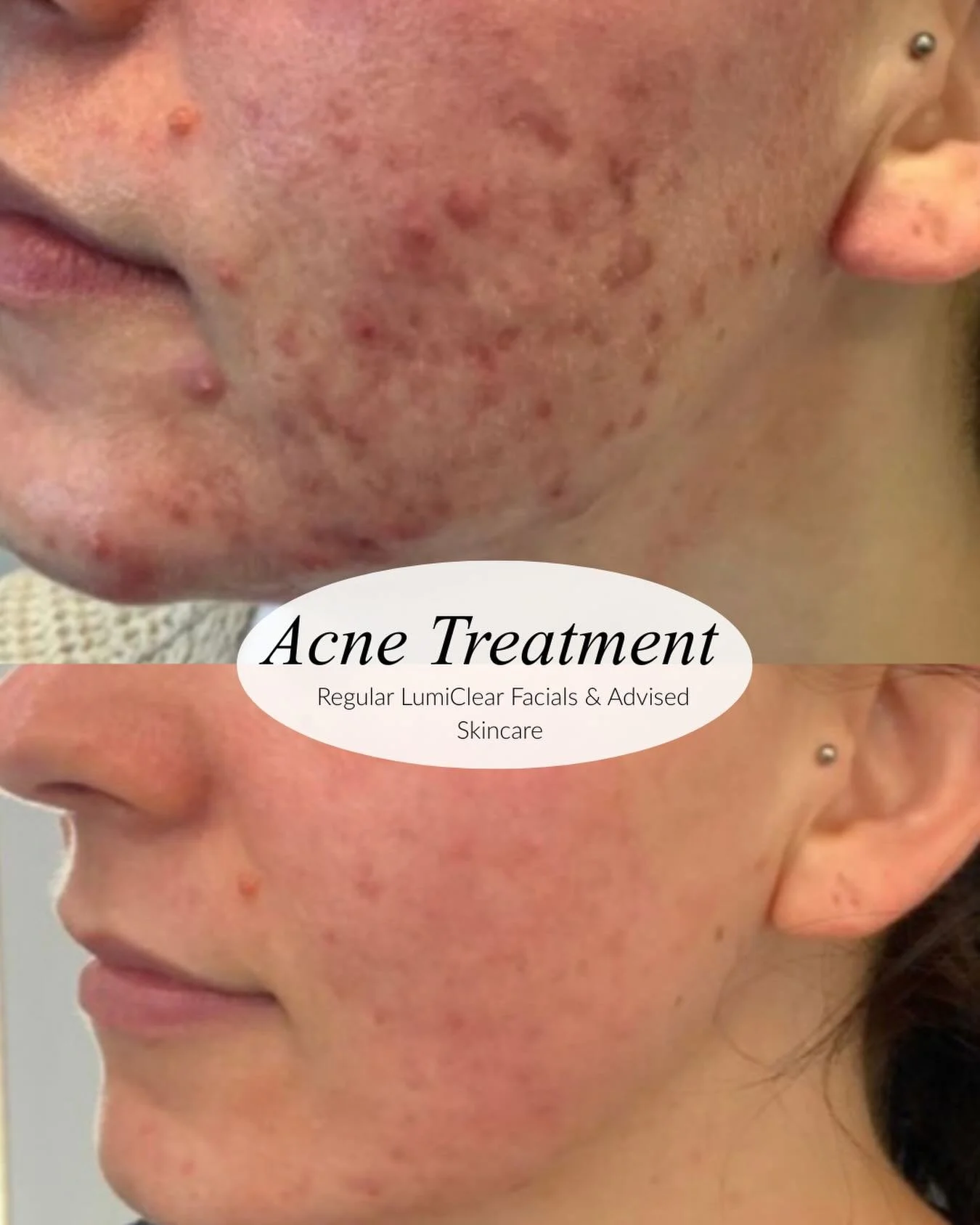
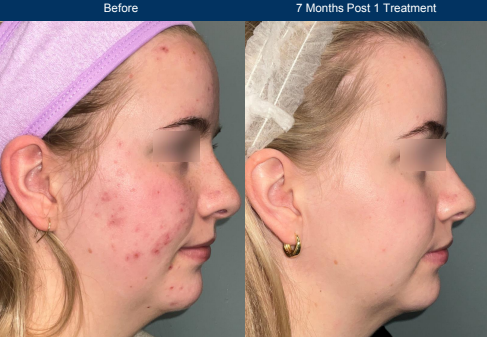
Before-and-after photographs can be helpful, particularly when they show consistent lighting and positioning, but remember that they represent individual results rather than a guarantee of what you might achieve.
Personal recommendations can also be valuable. However, your friend's ideal practitioner may not necessarily be the best choice for your particular concern.
You're looking for evidence of consistent, attentive and responsible care, not simply successful marketing.
2. Why Choosing a Registered Healthcare Professional Matters
One of the most concerning aspects of non-surgical aesthetics in England is that the sector does not yet have a comprehensive regulatory framework covering every practitioner and procedure.
This means people without a recognised healthcare background may offer treatments involving injectable products, medicines or technologies that require considerable anatomical and clinical knowledge.
For medical aesthetic treatments, we strongly recommend choosing a registered healthcare professional rather than a lay practitioner.
Doctors, registered nurses and dentists have undergone extensive healthcare education, providing an understanding of anatomy, physiology, medical conditions, medications and clinical responsibility.
Crucially, they also bring professional accountability.
Doctors are regulated by the General Medical Council (GMC), nurses by the Nursing and Midwifery Council (NMC) and dentists by the General Dental Council (GDC).
These organisations establish professional standards, require practitioners to work within their competence and provide mechanisms for investigating concerns about professional conduct.
This accountability matters when procedures involve prescription-only medicines, injectable products or medical devices that can cause complications if used inappropriately.
Does being medically qualified guarantee an excellent aesthetic practitioner? Absolutely not.
But it provides an important foundation of healthcare knowledge and responsibility that we believe patients should expect.
The NHS also recommends checking your cosmetic practitioner's training, experience and insurance.
3. A Doctor, a Nurse or a Dentist: Does the Title Really Matter?
You will often see aesthetic clinics described as doctor-led, nurse-led or medically led.
While these descriptions can provide reassurance about professional registration, they don't necessarily establish how experienced somebody is in aesthetic medicine.
Being a doctor does not automatically make someone a better aesthetic practitioner than an experienced registered nurse.
Consider this: if you needed your appendix removed, you wouldn't ask a GP without surgical training to perform the operation simply because they were a doctor. You would want a surgeon with the relevant specialist experience.
The same principle applies to aesthetics.
A dentist may be highly accomplished in dentistry but provide a few anti-wrinkle treatments each month. A doctor may have an excellent medical background but only recently begun practising aesthetics on occasional evenings.
Meanwhile, a registered nurse may have spent fifteen years working full-time in aesthetic medicine, developing considerable expertise in facial anatomy, injectable techniques, skin assessment and complication management.
Why should the medical title alone make the doctor a better choice?
It shouldn't.
This isn't about suggesting that one healthcare profession is superior to another. It's about recognising that medical registration and specialist aesthetic experience are two different things.
Training, mentorship and experience
Ask how your practitioner entered aesthetic medicine.
Did they complete a short introductory course and immediately begin treating independently? Or did they undertake further supervised practice, shadow experienced colleagues and develop their clinical judgement through mentorship?
An initial course can provide useful foundations, but experience develops through repeated clinical practice, continued learning and exposure to different patient presentations.
At Lumière MediSpa, following initial practical training, all our medical aesthetic practitioners undertake six months of intensive in-house training and clinical mentorship with our Aesthetic Nursing Director, who has 16 years of full-time experience in aesthetic medicine. We believe this supervised development is fundamental to building clinical judgement and maintaining our standards of care.
It is also worth asking how much of the practitioner's working life is dedicated to aesthetics.
Do they perform your chosen treatment regularly? Is aesthetic medicine their principal area of practice? How do they maintain their skills and keep their knowledge current?
Part-time practitioners can be highly experienced, just as full-time practice doesn't guarantee excellence. What matters is the depth, relevance and consistency of their experience.
Don't simply ask whether they're a doctor. Ask whether they're the most appropriately experienced practitioner for your particular concern.
You can learn more about our aesthetic nursing team and their professional backgrounds.
4. Understanding the Price: What Are You Really Paying For?
Aesthetic treatment prices can vary considerably, even between clinics offering apparently identical procedures.
But you're not simply paying for an injection, product or laser session.
You're also paying for the practitioner's knowledge, clinical assessment, technical expertise, treatment planning, facilities, insurance and aftercare.
That doesn't mean the most expensive clinic is necessarily the best. Equally, the cheapest treatment may not represent the best value.
The important question isn't just how much a treatment costs, but what you're receiving for that price.
Ask which products or technologies are being used, what's included in the appointment and whether reviews or aftercare are provided.
For treatments requiring a course, establish the total expected cost rather than comparing individual session prices.
You should also understand ongoing maintenance requirements. An attractive initial price may look quite different when the full treatment programme is considered.
Be cautious about offers that encourage you to commit immediately. There's nothing inherently wrong with competitive pricing, but the suitability of a medical aesthetic treatment should never be determined by a time-limited discount.
A good practitioner should respect your budget, help you prioritise and be equally comfortable advising you to wait.
5. The Clinical Environment: Where Treatment Takes Place Matters
Aesthetic treatments involving injections, medicines or medical technologies should be performed in an appropriately equipped clinical environment.
Yet procedures are sometimes offered in private homes, beauty bars, hair salons or temporary treatment spaces.
The concern isn't simply the address. It's whether appropriate clinical standards can be consistently maintained.
A treatment room may look beautiful and spotlessly clean without necessarily meeting the requirements of a well-managed clinical setting.
Consider the systems operating behind the scenes.
Are there appropriate infection-control procedures, handwashing facilities, cleaning protocols and arrangements for disposing of clinical waste and sharps?
Are medicines correctly sourced, stored and recorded? Are devices properly maintained and operated by trained practitioners? Are emergency procedures established?
For laser treatments, additional considerations include eye protection, equipment maintenance and appropriate safety precautions.
These aren't simply administrative formalities. They're essential elements of responsible clinical care.
The NHS advises against mobile cosmetic procedures performed in private homes or hotels.
Although a room within a wider beauty business isn't automatically unsafe, we encourage patients to choose an established clinical environment with the facilities, policies and procedures appropriate to the treatments offered.
A clinical environment isn't defined by how luxurious it looks, but by the standards maintained within it.
6. A Good Consultation Is About Understanding You, Not Selling a Treatment
Your consultation is arguably the best opportunity to assess a practitioner's knowledge and approach to care.
A meaningful consultation should involve much more than asking which treatment you want and providing a price.
Your practitioner should listen to your concerns, assess your skin or facial anatomy, review your medical history and understand what you hope to achieve.
Importantly, they should explore the underlying reasons for your concern rather than simply treating the visible symptom.
For example, someone requesting anti-wrinkle injections for their forehead may be using those muscles to compensate for a low brow position. Relaxing them without understanding that relationship could produce an unwanted result.
Similarly, pigmentation may have several underlying causes, and the laser treatment a patient has researched may not necessarily be the most suitable approach.
The role of an experienced clinician is to determine why something is happening before deciding what treatment, if any, should be recommended.
Advice or a sales pitch?
A good treatment plan should explain what is recommended, why it's appropriate, what improvement may reasonably be achieved and which treatments are optional.
It shouldn't simply be a shopping list of everything a clinic offers.
Be cautious if you're encouraged to have several treatments without a clear explanation, pressured into booking immediately or made to feel uncomfortable asking questions.
Sometimes the best advice is a simpler treatment, an alternative approach or no treatment at all.
Your practitioner should be comfortable explaining the limitations of their own treatment offering and referring you elsewhere when appropriate.
You should leave your consultation feeling informed, not persuaded.
At Lumière, our aesthetic consultations in Oxford focus on understanding the individual, identifying the causes of their concerns and recommending considered treatment options.
We are here to advise, not persuade.
7. What Happens If Something Goes Wrong?
Every aesthetic procedure carries risks, even in experienced hands.
Dermal fillers can cause complications ranging from swelling and bruising to vascular occlusion and, very rarely, serious visual complications. Laser treatments can cause pigmentation problems, burns or scarring.
These risks should be openly discussed before treatment, alongside the expected benefits and alternatives.
A consent form is important, but it doesn't replace a proper conversation.
Ask your practitioner what complications are associated with your proposed treatment and, importantly, what happens if one occurs.
Have they undergone appropriate complication-management training? Does the clinic have established procedures and access to necessary medicines or urgent medical support?
Who would assess you if you developed a problem the following day or outside normal working hours?
This is particularly relevant when practitioners visit a clinic occasionally. The question isn't whether visiting practitioners are competent, but whether appropriate support is available when they're elsewhere.
Also ask whether your practitioner holds professional indemnity insurance covering the specific treatment.
No practitioner can guarantee that complications will never happen. What matters is their ability to recognise problems early, respond appropriately and take responsibility for your care.
8. Realistic Expectations and Ongoing Care
A trustworthy practitioner should be equally confident discussing what a treatment cannot achieve as what it potentially can.
Results vary according to individual anatomy, skin condition, medical history and biological response. Some treatments produce gradual improvements over several months, while others may require regular maintenance.
Ask about realistic outcomes, recovery time, likely downtime and how long results may last.
Before-and-after photographs can demonstrate possibilities, but they cannot guarantee an identical result for you.
And remember that good care doesn't end when the procedure is complete.
You should receive appropriate aftercare instructions, understand when a review may be required and know how to contact the clinic if you have concerns.
Continuity can also be valuable. A practitioner who understands your previous treatments, your skin and how you respond can make more informed recommendations over time.
The goal should be your long-term wellbeing, not simply the next appointment.
9. If You're Unsure, Book More Than One Consultation
This is one of the most valuable pieces of advice we can offer.
If you're uncertain which clinic to choose, arrange consultations with two or three different practitioners.
You may find our Aesthetic Consultation Checklist handy to take with you. Click on the link below to download it for free:
You may hear different recommendations, and that's not necessarily a bad thing. Each practitioner may have their own experience, clinical approach and areas of expertise.
What's important is whether they can explain their reasoning and whether you feel confident in their judgement.
Pay attention to the entire experience.
Were you welcomed warmly? Did the environment feel professional and well organised? Was sufficient time allocated to your consultation?
Did the practitioner listen carefully, carry out a thorough assessment and explain the reasoning behind their recommendations?
Were the risks discussed as openly as the benefits?
And how did they respond when you said you wanted time to think?
You should never feel obligated to proceed simply because you've attended a consultation.
A practitioner can be highly experienced and professionally qualified but still not be the right fit for you.
Trust, communication and mutual understanding matter.
The NHS also encourages patients to take time before deciding whether to undergo a cosmetic procedure.
Choose the clinic where you feel the greatest confidence in both the expertise being offered and the care you receive.
Choose the Practitioner, Not the Promise
With so many treatments, technologies and clinics to choose from, it's easy to focus on what is being offered rather than who is providing it.
But treatments don't make clinical decisions. Practitioners do.
Look for professional accountability, relevant specialist experience, a well-managed clinical environment and a consultation that puts your interests first.
Understand the price, ask about the risks and expect realistic advice.
Most importantly, choose somebody who listens, explains and respects your decisions.
Our Approach at Lumière MediSpa, Oxford
At Lumière MediSpa, our approach is built around understanding the individual and providing considered, evidence-informed aesthetic care.
Our team combines specialist aesthetic healthcare experience with carefully selected technologies, structured clinical standards and personalised treatment planning.
We take the time to assess, explain and advise, and we encourage patients to explore their options before deciding what feels right for them.
Sometimes that means recommending a comprehensive treatment plan. Sometimes a simpler approach is more appropriate. And sometimes we may advise against treatment altogether.
We are here to advise, not persuade.
Your skin. Your appearance. Your choice. Our expertise.
Considering Aesthetic Treatment in Oxford?
We welcome you to arrange a consultation at Lumière MediSpa in Headington, Oxford.
Our consultation fee is £75, deductible from your first treatment undertaken within six months. Your appointment provides an opportunity to discuss your concerns, receive a detailed assessment and explore your options without obligation.
Meet our aesthetic practitioners
Discover more about Lumière MediSpa
Further Independent Guidance
For further advice, you can also read our earlier article, Aesthetic Treatments in Oxford: How to Choose the Right Clinic.