
Laser skin resurfacing has come a long way…
For many years, CO2 laser resurfacing was considered the gold standard for improving more established signs of skin ageing, including wrinkles, sun damage, uneven texture and acne scarring, and quite rightly so; the results can be impressive, but traditional ablative resurfacing can also involve significant heat within the skin, discomfort and a considerable recovery period.
So, what if we could achieve meaningful skin resurfacing and collagen remodelling while delivering energy in a more precise, controlled way?
Meet UltraClear™.
Lumière MediSpa was the first clinic to introduce UltraClear to Oxford. With over 16 years’ experience working with advanced laser technologies, we don’t invest in something simply because it is new. We look at the science, the technology, the clinical evidence and, importantly, what it can offer our patients.
For us, UltraClear laser skin resurfacing in Oxford represents an exciting evolution in laser resurfacing.
What is UltraClear laser resurfacing?
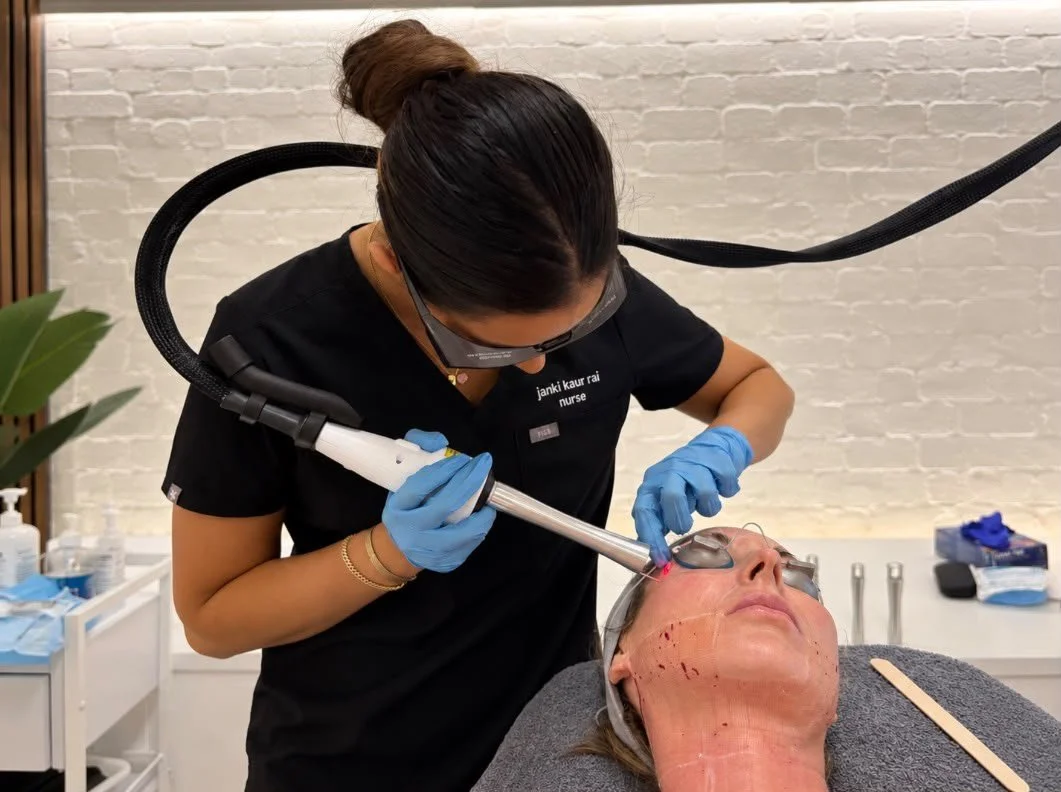
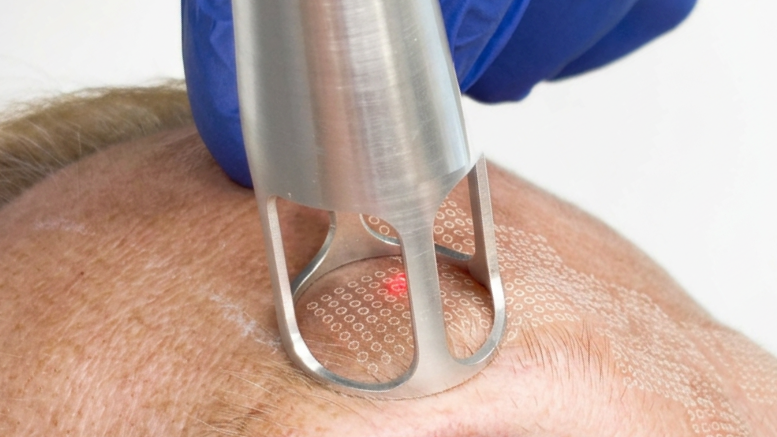
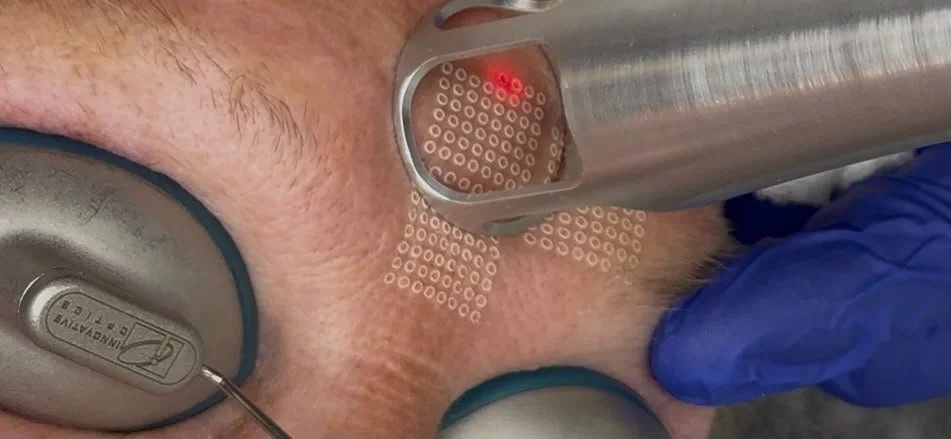
UltraClear is the world’s first 2910nm cold fibre laser, developed to provide highly controlled skin resurfacing while minimising unnecessary thermal energy within the surrounding tissue.
Like other ablative resurfacing lasers, UltraClear works by creating a controlled injury within the skin, initiating the natural healing response and stimulating progressive collagen remodelling. What makes it different is the way that energy is generated and delivered.
Its 2910nm wavelength has a very high affinity for water within the skin, allowing tissue to be precisely ablated while limiting the amount of residual heat delivered to surrounding tissue.
Why does that matter?
Because with laser resurfacing, more heat does not necessarily mean a better treatment. The aim is to create enough controlled injury to stimulate the response we want, while avoiding unnecessary damage to surrounding tissue.
UltraClear vs CO2 laser: what is the difference?
CO2 laser resurfacing is well established and remains an effective treatment in appropriately selected patients. We don’t believe in dismissing an established technology simply because something newer has arrived.
However, one of the limitations of traditional CO2 resurfacing is its reliance on thermal energy. That heat contributes to the treatment effect, but it can also contribute to discomfort, prolonged redness, recovery time and the risk of unwanted pigmentation.
UltraClear takes a different approach.
Its cold fibre technology allows us to precisely control the depth, density and intensity of treatment while reducing unwanted thermal damage to the surrounding skin. Published clinical research into the 2910nm fibre laser has reported improvements in advanced photoageing and wrinkles, with reduced discomfort and downtime compared with conventional fractional ablative lasers.
This is one of the reasons we chose to bring UltraClear to Lumière.
It isn’t about making laser resurfacing less effective. It is about making the delivery of that resurfacing more controlled and considered.
Is UltraClear safer than CO2 laser?
This needs a more considered answer than simply saying yes.
No laser treatment is without risk, and the safety of any resurfacing procedure depends on your skin type, medical history, treatment settings, the concern being treated, appropriate preparation and the experience of the practitioner carrying out your treatment.
What makes UltraClear particularly interesting is its ability to achieve ablation with significantly less unwanted thermal energy than traditional resurfacing technologies.
Reducing unnecessary heat may mean a more manageable healing response and can reduce some of the risks associated with excessive thermal injury. UltraClear has also been developed for use across a broad range of skin types, including skin tones for which aggressive traditional resurfacing lasers may require considerably more caution.
At Lumière, however, “suitable for” never means “suitable for everyone”.
Every patient is assessed individually before we recommend treatment.
What can UltraClear treat?
One of the reasons we invested in UltraClear is its versatility. Rather than having one predetermined treatment setting, we can adapt the treatment according to the skin in front of us.
UltraClear may be used to improve:
Fine lines and wrinkles
Sun damage and photoageing
Uneven pigmentation
Uneven skin tone and texture
Enlarged pores
Acne scarring
Areas of skin laxity
Overall skin quality and clarity
Treatment can range from relatively light resurfacing through to considerably deeper collagen remodelling.
That means two patients coming to Lumière for “UltraClear” may have very different treatments.
And that is exactly how we believe it should be.
What is 3DMIRACL?
3DMIRACL™ is our lightest UltraClear resurfacing treatment and is designed for patients wanting to improve overall skin quality with relatively little social downtime.
It can be particularly useful for concerns such as dullness, early sun damage, uneven texture, enlarged pores and early signs of skin ageing.
Rather than waiting until skin concerns become established before considering laser, 3DMIRACL also gives us an option for patients interested in maintaining healthy skin quality and supporting ongoing renewal.
For many patients, social downtime is approximately 1–3 days, although dryness and light flaking can continue for several days afterwards.
What about deeper UltraClear resurfacing?
Where concerns are more established, we can work at greater depths within the skin.
Deeper UltraClear resurfacing is designed to create a more significant regenerative and remodelling response and may be considered for more established wrinkles, sun damage, textural irregularities and acne scarring.
Naturally, increasing treatment intensity also increases the healing response and downtime.
This is why we don’t believe the question should simply be, “How powerful can we make the treatment?”
The better question is: what level of treatment does your skin actually need?
And what is Laser-Coring?
Laser-Coring™ takes the technology a step further.
Rather than simply resurfacing the skin, Laser-Coring creates precise cores within selected areas of tissue. This can be used where we want greater tissue contraction and remodelling, including areas of skin laxity, deeper lines and wrinkles or bulked and irregular tissue.
Published research into 2910nm Laser-Coring technology has examined the precise channels created within the skin and the surrounding tissue response.
At Lumière, we use Laser-Coring selectively.
We have found that many patients do not require coring across an entire treatment area. Instead, it can be added to specific areas where we believe the additional tissue remodelling would be beneficial.
This allows us to build a treatment around the individual rather than fitting the individual into a standard treatment.
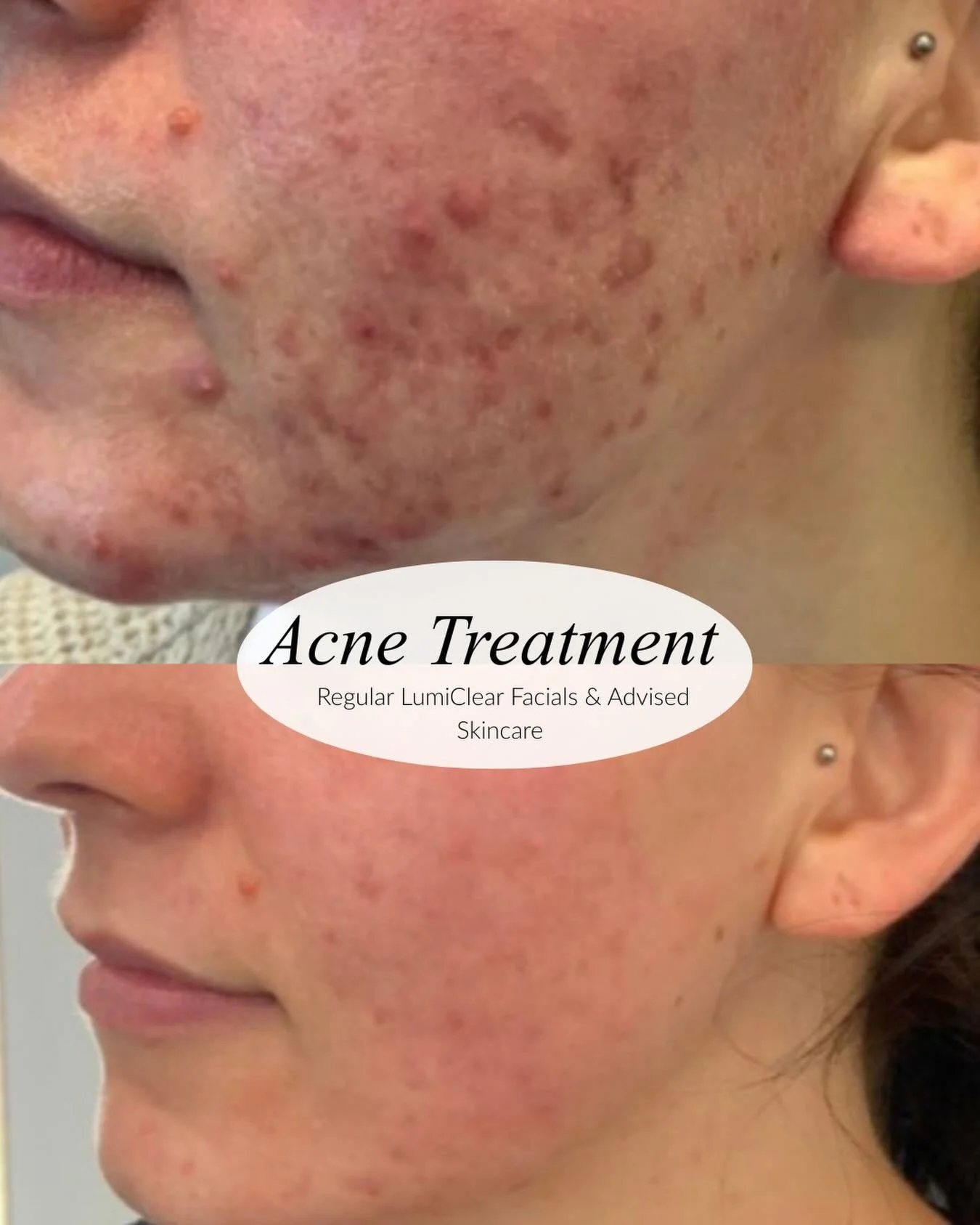
Can UltraClear help with acne scarring?
UltraClear can also be used for certain types of acne scarring, where resurfacing and collagen remodelling can help improve irregular skin texture.
Clinical research has specifically investigated the 2910nm fibre laser for rolling and boxcar acne scars, with improvements reported following treatment.
Acne scarring, however, is rarely identical from one person to another. The type, depth and distribution of scarring all influence the treatment we recommend, which is why assessment is particularly important.
Does UltraClear have less downtime than CO2 laser?
Potentially, yes — but this depends entirely on the depth of treatment.
One of the advantages of the UltraClear platform is that there isn’t one fixed amount of downtime.
A lighter 3DMIRACL treatment may involve only a few days of social downtime, whereas deeper resurfacing and Laser-Coring require a more significant recovery period.
Traditional aggressive CO2 resurfacing can involve considerably longer recovery. UltraClear’s reduced unwanted thermal energy and highly controlled delivery can make the healing process more manageable, but deeper resurfacing is still a medical aesthetic procedure and should never be presented as having “no downtime”.
We would rather give you a realistic expectation of recovery than promise something your skin may not deliver.
When will I see results?
There are really two parts to an UltraClear result.
The first is what happens as the skin heals: it may begin to appear clearer, smoother and more even in texture.
The second takes longer.
The controlled treatment stimulates a healing and remodelling response within the skin. New collagen formation and tissue remodelling develop progressively, which means improvement can continue over the weeks and months following treatment.
This is why we assess laser results over time rather than simply looking at the skin a week after treatment.
Why choose Lumière MediSpa for UltraClear laser treatment in Oxford?
Technology matters. Experience using it matters just as much.
Lumière has been working with laser technologies for more than 16 years, and we were the first clinic to introduce UltraClear to Oxford.
That doesn’t mean we believe everyone needs the newest or most intensive treatment.
Quite the opposite.
Our experience helps us decide when to treat, how intensively to treat and, equally importantly, when not to.
Before recommending UltraClear, we assess your skin, your medical history, what you would like to improve and the level of recovery that is realistic for you. Our consultations are also supported by AURA 3D Skin Analysis, allowing us to assess characteristics including pigmentation, redness, texture, pores and wrinkles and, where appropriate, objectively monitor progress.
Being first matters less to us than being certain a technology deserves a place in our clinic.
After more than 16 years working with lasers, we believe UltraClear does.
Considering CO2 laser resurfacing in Oxford?
If you are researching CO2 laser resurfacing, acne scar laser treatment or skin resurfacing in Oxford, you don’t need to decide which laser or treatment depth you need before coming to see us.
That is our job.
We will assess your skin, explain the options available and advise you whether UltraClear — from 3DMIRACL through to deeper resurfacing or targeted Laser-Coring — is appropriate for you.
You can discover more about UltraClear laser resurfacing at Lumière MediSpa, including the treatment options available, expected downtime and what to expect from your consultation.
Because the aim isn’t to have the most aggressive treatment.
It is to have the right treatment for your skin.
Your skin. Your appearance. Your choice. Our expertise.